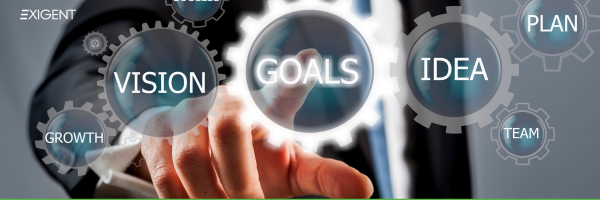
Technology investments deliver the greatest value when they are aligned with business goals—not...
Modernize Legacy Technology Without Disrupting Your Business
Technology modernization has become one of those terms that's easy to misunderstand. For some organizations, it conjures images of replacing every server, moving everything to the cloud, or undertaking a massive technology project that takes months to complete and stretches the budget beyond what's comfortable.
In reality, that's rarely what successful modernization looks like.
Key Takeaways
- Legacy technology isn't defined by age alone—it becomes "legacy" when it can no longer support your organization's security, productivity, or long-term business objectives.
- Successful modernization happens in phases. A technology roadmap helps organizations prioritize investments, reduce technical debt, and minimize operational disruption instead of reacting to emergencies.
- The most effective modernization strategies begin with business goals, allowing technology investments to support growth, improve resilience, and create a stronger foundation for the future.
Most organizations don't arrive at a point where they suddenly decide their technology is obsolete. Instead, they get there one small decision at a time. A server stays in production another year because it's still running. A software upgrade gets postponed because there are more pressing priorities. Employees learn to work around slow systems or manual processes because "that's just the way we've always done it."
None of those decisions seem particularly significant on its own. Over time, however, they begin to add up. Before long, technology that once supported the business starts creating friction instead. Projects become harder to complete, cybersecurity becomes more difficult to manage, employees see technology as frustrating rather than empowering, and leadership finds itself reacting to technology issues instead of focusing on business growth.
That's usually the point when someone asks, "How did we get so far behind?" Honestly, that doesn't matter as much as the answer to a better question: "How do we make sure it doesn't happen again?"
Legacy Technology Isn't Really About Age
One of the biggest misconceptions we hear is that legacy technology simply means old technology. Age certainly matters, but it isn't the whole story. We've seen organizations running hardware that's several years old and still delivering excellent performance because it's properly maintained, securely managed, and continues to support the needs of the business. We've also seen much newer technology become a limitation because the business outgrew it or because it was implemented without a long-term plan.
Rather than asking whether your infrastructure is old, it's more helpful to ask whether it's still helping your organization move forward. Think through questions such as:
- Can your employees work efficiently?
- Are your systems secure and fully supported?
- Can your technology adapt and scale as your business grows?
- Are you able to adopt new capabilities—whether that's cloud services, automation, or artificial intelligence—without rebuilding your environment every time?
If those questions are becoming harder to answer, your technology may be creating more risk than value. That's often what we mean by technical debt. It's the accumulated cost of postponing technology decisions until they become urgent. Like financial debt, technical debt grows over time. It shows up as higher maintenance costs, increased security exposure, reduced productivity, and fewer options when it's finally time to make a change. The good news is that technical debt can be managed. It simply requires planning before circumstances force your hand.
Modernization Should Follow Your Business Strategy
One of the biggest mistakes organizations make is treating modernization as an IT project. BUZZ. Modernization is a business decision that empowers your success—a key part of your organizational strategy. Technology exists to support your people, your customers, and your long-term objectives. That means the conversation shouldn't begin with servers, firewalls, or cloud platforms. It should begin with your business.
Once leadership has a clear picture of where the organization is headed, it becomes much easier to determine which investments should happen first, which projects can wait, and where budget will have the greatest impact. This is where an IT roadmap, influenced heavily by the experts at your MSP, can create a differentiator for your organization. When you have a clear plan for your business and all the components needed to scale and succeed, you will outpace your competitors. And your technology is part of that effort.
What Modernization Looks Like in Practice
Girls Inc. of Metro Denver offers a great example of this approach. Like many nonprofit organizations, Girls Inc. had spent years directing as many resources as possible toward its mission of serving young women across the Denver area. Technology improvements happened when they could, but understandably, they often took a back seat to program funding. When the pandemic dramatically increased the organization's reliance on technology, however, leadership quickly realized the environment could no longer support the way employees needed to work. Staff were relying on donated laptops that were nearly 8 years old, and their existing technology partner wasn't providing the strategic guidance needed to plan for the future.
Rather than approaching modernization as one massive replacement project, Girls Inc. worked alongside its board to develop a long-term technology roadmap. Exigent helped validate that roadmap, prioritize investments, align budgeting, and implement improvements in manageable phases. Hardware was refreshed, networking and cybersecurity were strengthened, communications systems were modernized, and each project supported the organization's long-term objectives instead of solving only the problem directly in front of them.
Perhaps the most important outcome wasn't the technology itself; it was the opportunity to spend more time doing what the organization was built to do. Employees could spend their time serving the girls in their programs instead of troubleshooting computers or worrying whether equipment would work when they needed it. As Operations Manager Mandi Pacheco explained, "We're not wasting a minute of our time with the girls because of tech issues."
That's what successful modernization should accomplish. It shouldn't make technology the center of attention. It should allow your people to focus on the work that matters most.
Does Everything Need to Be Replaced?
We can confidently say that the answer to that question is almost always no. Phased, thoughtful modernization eases your business forward affordably and with the least disruption. In fact, one of the advantages of developing a modernization roadmap is that it allows organizations to prioritize investments instead of reacting to emergencies. Some systems may need immediate attention because they present security or operational risks. Others may continue providing value for several more years with proper maintenance and planning.
A phased approach also makes modernization more predictable. Rather than facing a series of expensive emergency purchases, organizations can align technology investments with annual budgets, planned business initiatives, and lifecycle replacement schedules. Just as importantly, a roadmap creates flexibility. As business priorities change, the roadmap can change with them.
A Simple Framework for Modernization
Every organization's technology environment is different, but successful modernization efforts tend to follow the same pattern. They begin by assessing the current environment to understand strengths, weaknesses, risks, and opportunities. From there, leadership prioritizes improvements based on business impact rather than technical urgency alone. Projects are then implemented in manageable phases that minimize disruption while steadily reducing risk. Finally, organizations continue reviewing and optimizing their technology through regular planning conversations, ensuring today's investments continue supporting tomorrow's goals.
In other words, modernization isn't a destination. It's an ongoing business discipline. Working with your MSP to navigate that process helps your organization take advantage of experienced project management and keeps your team focused on business while your business technology partner tackles the design, procurement, and rollout.
Questions Worth Asking About Technology Strategy
If your organization hasn't reviewed its technology strategy recently, these are good questions to bring into your next leadership meeting:
- Which technology risks concern us most over the next three years?
- Where are we carrying technical debt that could become more expensive later?
- Which technology investments would have the greatest impact on our employees and customers?
- Are we budgeting for technology strategically, or reacting when something fails?
- Does our technology roadmap support our business roadmap?
Those questions often lead to better conversations than asking what equipment needs to be replaced next. We highly recommend inviting your MSP to the table for that conversation. Not only does your IT partner know your environment as well, if not better than you do, but they have the advantage of a fresh perspective that can help clarify priorities and decision-making.
Technology modernization isn't about keeping up with the latest trends or replacing infrastructure simply because it's getting older. It's about making intentional decisions that help your organization remain secure, productive, and prepared for whatever comes next. Organizations that modernize successfully don't wait for a crisis to force change. They build a roadmap, prioritize thoughtfully, and make steady improvements that align technology with the future of the business. That's ultimately the goal—not newer technology, but a stronger foundation for long-term growth.
At Exigent, we use our proven method to guide clients toward a customized, detailed IT roadmap that prepares our customers for success—empowered by the reliable, stable foundation provided by managed services. If you'd like to learn more, schedule a consultation today.